

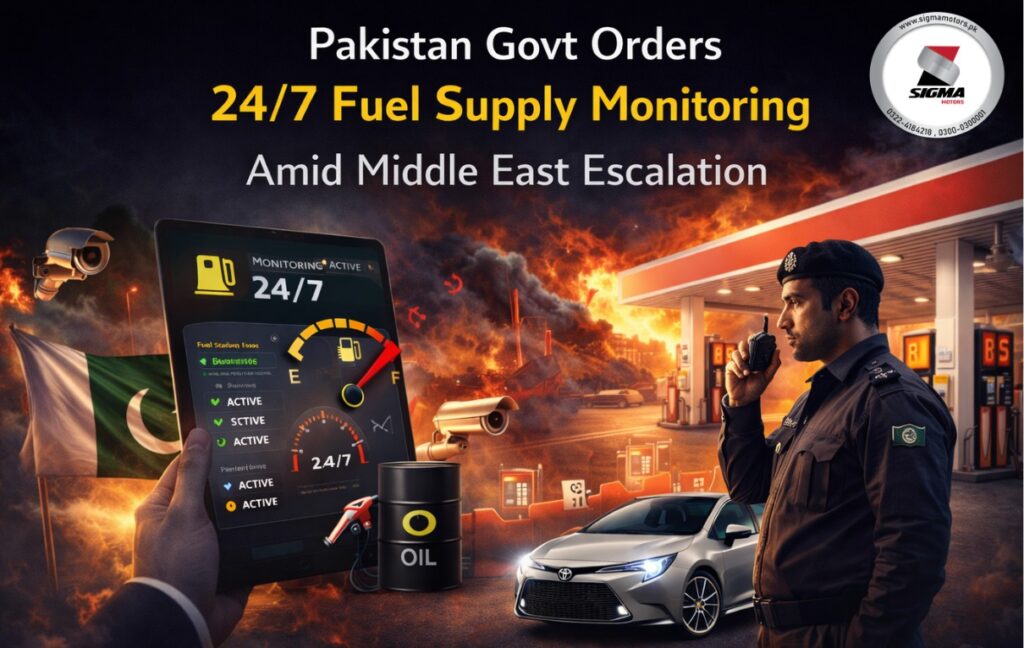
As geopolitical tensions intensify in the Middle East—particularly around the Strait of Hormuz—Pakistan has moved swiftly to safeguard its energy supply chain. With fears of disruption in global oil flows, the government has initiated round-the-clock monitoring of fuel supplies, prices, and reserves to ensure stability across the country.
Rising Global Risks Trigger Emergency Measures
The escalation in conflict has raised serious concerns about oil shipments passing through critical maritime routes like the Strait of Hormuz, a channel responsible for a significant portion of the world’s oil supply. Any prolonged disruption here could lead to sharp spikes in global fuel prices and logistical bottlenecks.
Recognizing this vulnerability, the Pakistani government has taken proactive steps to mitigate risk and maintain uninterrupted fuel availability nationwide.
High-Level Committee & Daily Monitoring
A high-level committee, formed under the direction of Prime Minister Shehbaz Sharif and led by Finance Minister Muhammad Aurangzeb, is now overseeing the situation.
Key measures include:
- Daily review of petroleum stock levels
- Continuous tracking of fuel prices
- Strict market oversight to prevent hoarding or shortages
- Enhanced coordination between energy departments
The committee is conducting real-time assessments to ensure that any fluctuations in global markets are managed effectively at the domestic level.
Fuel Reserves: Stable for Now
Despite global uncertainty, officials have reassured the public that Pakistan currently maintains adequate fuel reserves, with stockpiles sufficient for several weeks.
Authorities, including OGRA and Pakistan State Oil, have confirmed:
- Petrol and diesel reserves are above mandatory requirements
- Supply chains remain stable and functional
- Emergency response mechanisms are fully activated
However, officials caution that prolonged regional instability could still impact imports, as Pakistan relies heavily on Middle Eastern oil routes.
LNG & Gas Markets Also Under Pressure
Beyond petroleum, global gas markets are also witnessing volatility. LNG shipments and LPG supplies are being closely monitored as international prices surge amid supply uncertainties.
This has prompted Pakistani authorities to:
- Review LNG import schedules
- Monitor terminal operations
- Prepare for potential price adjustments
Government Urges Calm
Amid growing public concern, the government has urged citizens not to panic, emphasizing that there is no immediate shortage of fuel.
Officials have assured that:
- Supply remains uninterrupted
- Price adjustments will be transparent
- Hoarding and artificial shortages will be strictly controlled
What This Means for Pakistan
While the current situation remains under control, Pakistan’s dependency on imported fuel makes it highly sensitive to global disruptions. The government’s decision to implement 24/7 monitoring reflects both the seriousness of the situation and its commitment to maintaining economic stability.
If tensions persist, Pakistan could face:
- Increased fuel prices
- Pressure on foreign reserves
- Supply chain disruptions
For now, however, strong oversight and sufficient reserves are keeping the system stable.