

Fuel prices in Pakistan have once again become a major concern for the public as petrol rates continue climbing to record levels. With petrol reportedly crossing Rs. 414 per liter in some areas due to combined taxes, transportation costs, and market fluctuations, citizens are questioning one thing:
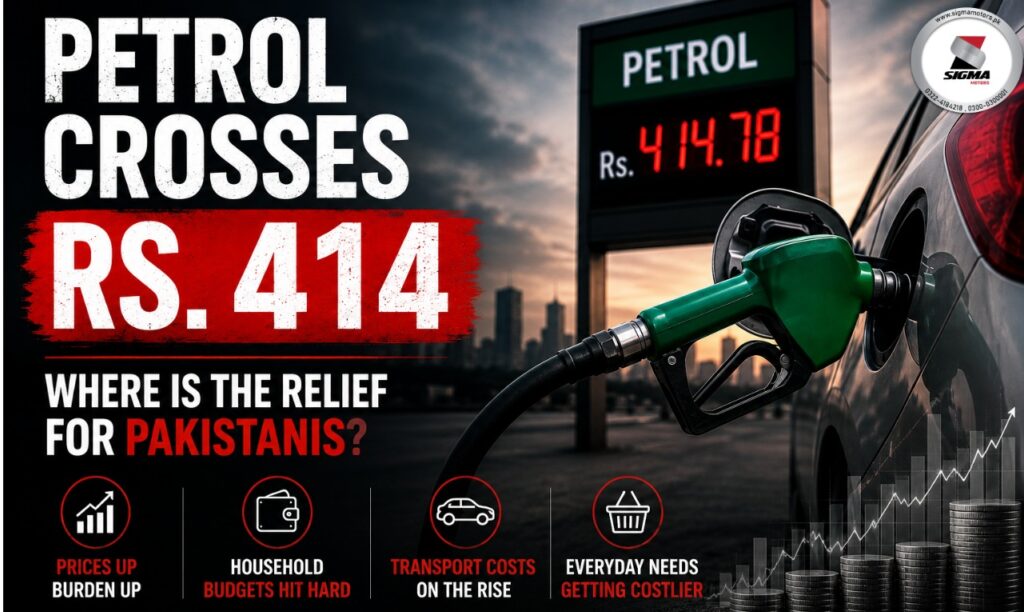
Where is the relief?
From daily commuters to transporters and businesses, the rising cost of fuel is affecting nearly every sector of the economy.
Why Are Petrol Prices Increasing?
Several factors are contributing to the continued rise in fuel prices across Pakistan:
Global Oil Market Instability
Ongoing geopolitical tensions in the Middle East and uncertainty in international oil markets have pushed crude oil prices upward globally.
Weak Pakistani Rupee
Since Pakistan imports most of its petroleum products, the depreciation of the Pakistani Rupee against the US Dollar directly increases fuel import costs.
Heavy Taxes & Levies
Petroleum levy, customs duties, and other taxes make up a significant portion of the final petrol price paid by consumers.
Import & Transportation Costs
Shipping charges, insurance, and local transportation expenses further increase retail fuel prices nationwide.
Impact on Daily Life
The increase in petrol prices is creating pressure across all segments of society.
Transportation Costs Rising
Ride-hailing fares, public transport tickets, and logistics costs have all increased significantly.
Inflation on Essential Goods
As transportation becomes more expensive, prices of food, groceries, and other necessities continue to rise.
Financial Pressure on Families
Middle-class and salaried individuals are struggling to manage daily commuting expenses and household budgets.
Shift Toward Fuel-Efficient Vehicles
With petrol prices reaching historic highs, Pakistani buyers are now rapidly shifting toward:
- Hybrid vehicles
- 660cc cars
- Japanese fuel-efficient imports
- EV and alternative fuel options
This trend is especially visible among urban commuters looking to reduce monthly fuel expenses.
Why Japanese Cars Are Becoming More Important
Japanese vehicles continue to dominate the market because they offer:
✔️ Excellent fuel efficiency
✔️ Reliable hybrid technology
✔️ Better resale value
✔️ Long-term durability
Models like hybrids and compact Japanese cars are now viewed not just as convenient options—but as financially smart investments.
Is Government Relief Expected?
While discussions regarding subsidies and tax reductions continue, many consumers believe the relief measures remain insufficient compared to the rapid increase in fuel prices.
Authorities are facing a difficult balance between:
- Managing national economic pressure
- Maintaining fuel supply stability
- Controlling inflation
For now, there appears to be no major immediate relief in sight.
Sigma Motors Insight
At Sigma Motors Japan 🇯🇵, we understand how rising fuel costs are reshaping Pakistan’s automotive market. Demand for fuel-efficient Japanese imports has increased significantly as buyers prioritize:
- Better mileage
- Lower running costs
- Hybrid technology
- Long-term value
In today’s conditions, choosing the right vehicle is no longer just about style—it’s about smart financial planning.
Final Verdict
Petrol crossing Rs. 414 reflects the growing economic pressure faced by consumers in Pakistan. While global factors play a major role, the burden ultimately falls on everyday citizens trying to manage rising transportation and living costs.
As uncertainty continues, fuel-efficient Japanese vehicles are becoming one of the most practical solutions for Pakistani buyers looking to reduce long-term expenses.