

Rising geopolitical friction between Iran and the United States is once again putting global energy markets under pressure and Pakistan could be among the most vulnerable economies affected.
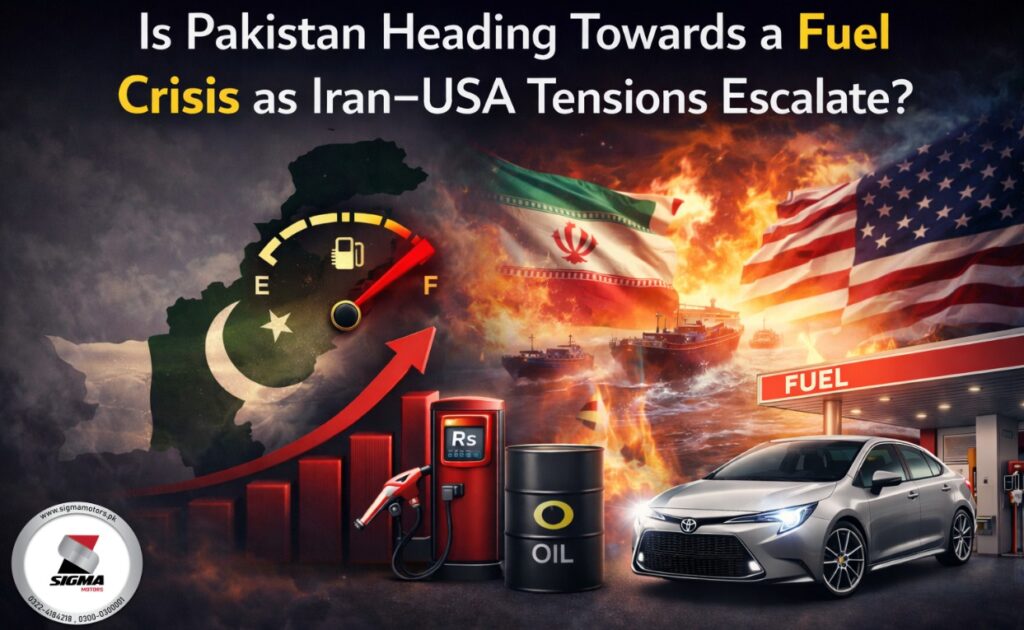
Growing Regional Instability
Any escalation in conflict involving Iran directly threatens oil supply routes, particularly in the Persian Gulf. Even the perception of instability tends to push global oil prices upward, increasing import costs for countries like Pakistan that rely heavily on foreign fuel.
Pakistan’s Heavy Dependence on Imports
Pakistan imports a significant portion of its petroleum requirements. When international crude prices rise, the impact is immediate higher fuel prices, increased transportation costs, and broader inflation across essential goods.
The Hidden Role of Iranian Fuel
A lesser-discussed factor is Pakistan’s reliance on informal fuel inflows from Iran, especially in border regions like Balochistan. Reports indicate that a substantial share of diesel in these areas comes through unofficial channels due to price differences and smuggling networks.
If tensions disrupt supply or tighten border controls, this parallel supply chain could collapse, creating localized shortages.
Economic Pressure on Consumers
With the Pakistani rupee already under pressure, any spike in global oil prices could further weaken purchasing power. Transport fares, electricity generation costs, and industrial production would all feel the ripple effects, increasing the cost of living nationwide.
Government’s Dilemma
Authorities may be forced to choose between:
- Passing increased costs to consumers (leading to inflation), or
- Expanding subsidies (putting further strain on fiscal reserves)
- Neither option is easy in an already fragile economic environment.
Is a Crisis Imminent?
While a full-scale fuel crisis is not guaranteed, the risk is real. Disruptions in supply chains, reduced informal fuel inflows, and surging global prices could collectively strain Pakistan’s energy stability.
Final Thought
Pakistan is not yet in a fuel crisis but it is certainly exposed. The situation highlights the urgent need for diversified energy sources, strategic reserves, and long-term planning to reduce dependence on volatile external factors.